Smart Planning Is the Key to a Successful Building Project
Building a home or commercial property takes careful preparation. Every decision made before construction begins can affect the final result. Architectural design services help property owners turn ideas into clear and practical plans that guide every stage of the project. With proper planning, it becomes easier to manage costs, reduce delays, and create a building that meets long-term needs.
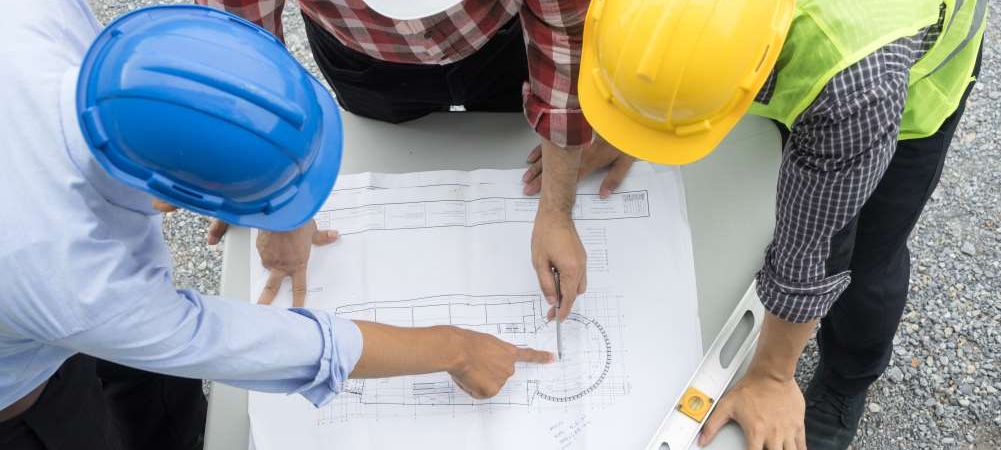
Why Planning Matters Before Construction
Every successful project starts with a detailed plan. Planning helps organize ideas and creates a clear direction for everyone involved. It also reduces confusion during construction.
Without proper planning, unexpected problems can appear. These issues often lead to higher costs and project delays. Taking time to prepare helps prevent many common challenges.
A clear plan also improves teamwork. Contractors, engineers, and property owners can work together more effectively when expectations are defined from the beginning.
Set Clear Project Goals
Every property owner has different priorities. Some want more living space, while others focus on improving functionality or increasing property value. Defining your goals early helps shape the entire project.
Clear goals make decision-making easier. They help eliminate unnecessary changes once construction begins. This saves both time and money.
Knowing what you want also improves communication. Everyone understands the purpose of the project and works toward the same outcome.
Build a Realistic Budget
Budget planning is one of the most important parts of any construction project. A realistic budget helps control spending and reduces financial stress. It also makes it easier to prioritize important features.
Construction costs include materials, labor, permits, and possible unexpected expenses. Planning for these costs creates better financial control throughout the project.
Reviewing the budget regularly also helps prevent overspending. Small adjustments made early often avoid larger financial problems later.
Make Better Use of Available Space
A practical layout improves comfort and functionality. Every room should support daily activities while making efficient use of the available space. Good planning creates a property that feels organized and comfortable.
Even smaller buildings can benefit from thoughtful layouts. Open spaces, better storage, and flexible room designs improve everyday living.
Using space wisely also increases long-term value. Functional properties remain attractive for many years.
Improve Communication Throughout the Project
Construction projects involve many different people. Property owners, contractors, suppliers, and inspectors all need accurate information throughout the process.
Regular communication helps everyone stay informed. Questions can be answered quickly before they become larger issues.
Good communication also reduces misunderstandings. This keeps construction moving forward with fewer interruptions.
Avoid Costly Mistakes
Construction mistakes can be expensive to correct. Errors often happen when important details are overlooked during planning. Careful preparation reduces these risks.
Detailed drawings and organized project documents provide clear guidance for contractors. This improves accuracy during construction.
Preventing mistakes also reduces material waste. Better planning helps keep the project within budget.
Stay on Schedule
Time management is an important part of every construction project. Delays increase labor costs and postpone project completion.
A detailed construction schedule helps everyone understand deadlines. Regular progress reviews allow small problems to be solved before they affect the overall timeline.
Completing work on time benefits both property owners and contractors. It creates a smoother building experience from start to finish.
Follow Local Building Codes
Every city has building regulations that must be followed. These rules help ensure safety and proper construction practices.
Understanding local requirements before work begins reduces delays. It also helps simplify inspections and permit approvals.
Following building codes protects both the property owner and the completed building. It also supports long-term reliability.
Improve Energy Efficiency
Energy-efficient buildings reduce long-term operating costs. Proper planning allows natural lighting, insulation, and ventilation to work together effectively.
These improvements create more comfortable indoor spaces. They also lower monthly utility bills.
Energy efficiency increases property value as well. Many buyers appreciate homes and buildings with lower energy costs.
Think About the Future
A building should continue meeting your needs for many years. Planning ahead allows future renovations or expansions without major structural changes.
Flexible layouts support changing lifestyles, growing families, or expanding businesses. They also reduce renovation costs later.
Thinking long term creates greater value. It helps protect the investment for years to come.
Personalized Homes Provide Greater Comfort
Every family has different needs and preferences. Choosing Custom home design allows homeowners to create spaces that match their lifestyle while improving comfort and functionality. Personalized layouts make daily living easier, provide greater flexibility, and help ensure the home continues to meet changing needs over time.

Conclusion
Every successful building project begins with careful planning, realistic budgeting, and clear communication. Taking time to prepare before construction starts helps reduce mistakes, control costs, and improve the final outcome. Good planning also creates buildings that remain practical, comfortable, and valuable for many years. For trusted drafting and planning solutions, Horizon Drafting proudly provides professional services throughout Denver, CO, and the surrounding areas, helping clients bring their building ideas to life with confidence and quality.